
Find low bone density in the X-rays you already take.
Rho™ reads routine frontal chest, thoracic spine, lumbar spine, pelvis, hand or wrist, and knee X-rays for signs of low bone density and flags patients for a clinical assessment of bone health. Use Rho Enterprise, integrated with your PACS, or Rho Direct, from a browser. No new scans, visits, or radiation.
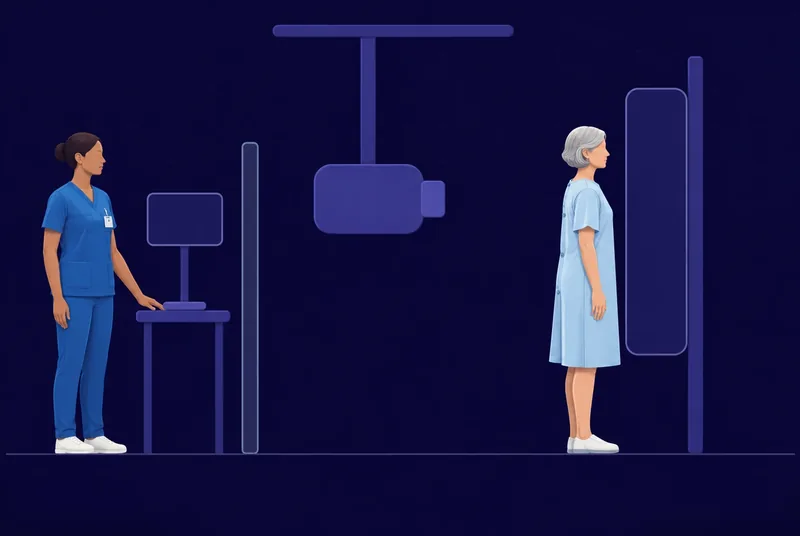
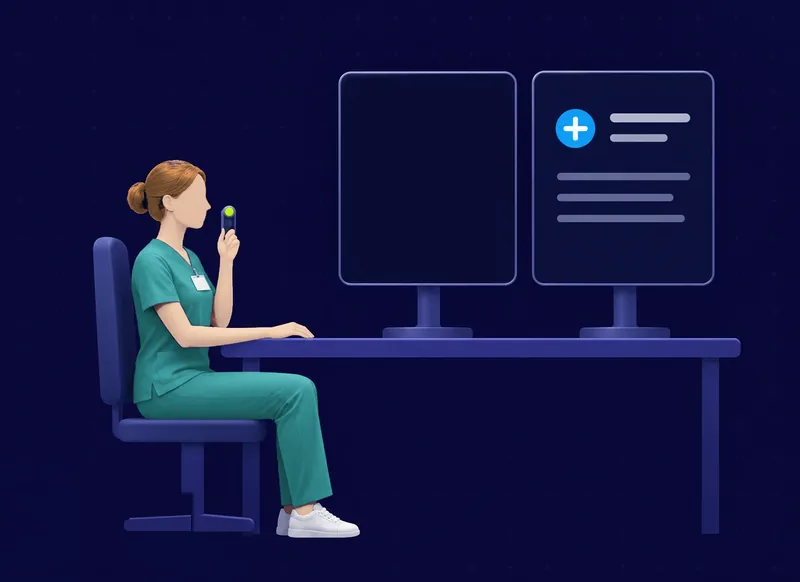
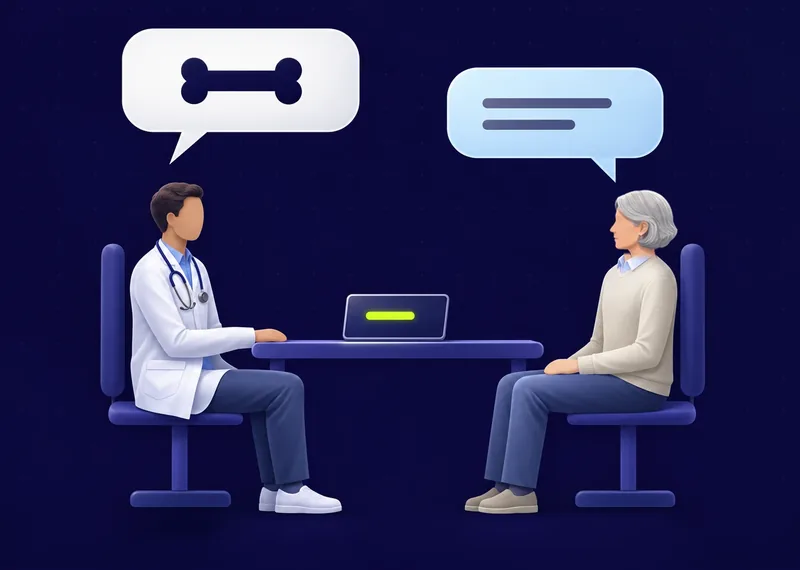
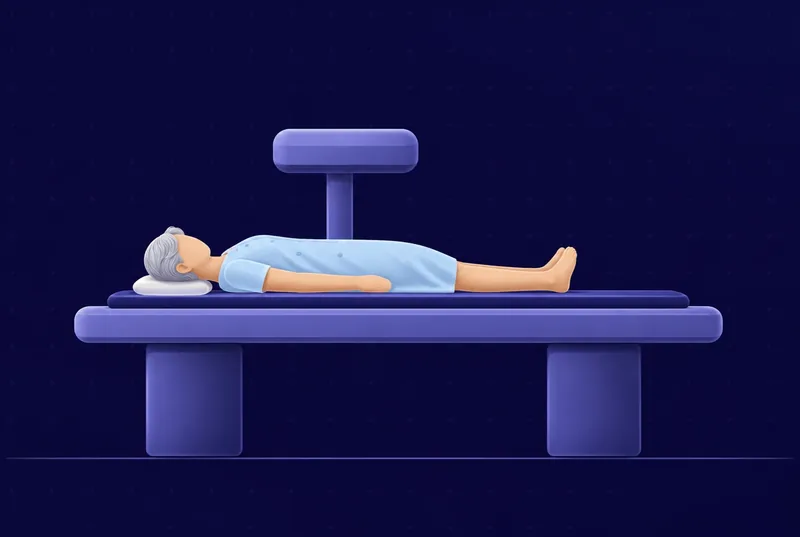
Routine X-ray. A technologist takes a routine frontal X-ray of a patient aged 50 or older, ordered for any clinical reason.
Authorized for clinical use in
- United States FDA De Novo
- Canada Health Canada
- European Union CE marked
- Australia TGA
- Singapore HSA
- Taiwan TFDA
In clinical and research use at imaging networks, orthopedic groups, and hospitals around the world



It shouldn't take a fracture to make the diagnosis.
Osteoporosis has no symptoms until a bone breaks. A clinical fracture-risk assessment is recommended for adults over 50, but at-risk patients are often not assessed.1 Many of those same patients have X-rays taken for other reasons.2
- No new scans. Rho uses existing images.
- No extra visits. The reading physician can add the finding to the report the referring physician receives.
- No added radiation. Nothing changes for the patient at the time of imaging.
- 1 BHOF 2022 (LeBoff et al., Osteoporosis International) ↗: women 65 and older, men 70 and older, and adults 50 to 69 by risk profile
- 2 Mettler et al., Radiology, 2020 ↗
Guidelines screen by age, sex, and known risk factors. Rho screens by what’s in the X-ray.
Guidelines recommend screening large groups of patients, but most are not sent for a DXA. Many of them have X-rays that Rho reads, flagging individuals with possible low bone density.
- Normal bone density
- Low bone density
- Fractures later
- Selected by a guideline
- Flagged by Rho
- Went on to a DXA
- No X-ray to read
Illustrative. The people and their proportions are a schematic, not data from a study. Rho does not replace guideline-based screening or the clinical fracture-risk assessment it recommends.
- 1 BHOF 2022 (LeBoff et al., Osteoporosis International) ↗: women 65 and older, men 70 and older, and adults 50 to 69 by risk profile
- 3 USPSTF 2025 (Nicholson et al., JAMA) ↗: women 65 and older
- 4 Osteoporosis Canada 2023 (Morin et al., CMAJ) ↗
- 5 Siris et al., Archives of Internal Medicine, 2004 ↗: under the 2004 NOF treatment thresholds, about a fifth of US postmenopausal women were flagged, and they had under half of the osteoporotic fractures
- 6 Gillespie and Morin, Am J Med, 2017 ↗: 26.5% of insured US women aged 65 to 79 had a DXA over two years
- 7 Jayarajah et al., Canadian Association of Radiologists Journal, 2025 ↗: 125 of 655 Rho-positive patients had a DXA within six months
From routine X-ray to bone health assessment, inside your existing workflow.
One screen. Value for every team that touches bone health.
More of the right patients reach DXA.
Find patients in the X-rays your sites already read, with no new exam.
For imaging networks →
Bone health known before the operating room.
Flag patients from the knee, pelvis and spine X-rays you take every day.
For orthopedic and spine practices →
Find patients at risk before the first fracture.
Bring more patients into your bone health pathway from imaging already done.
For health systems →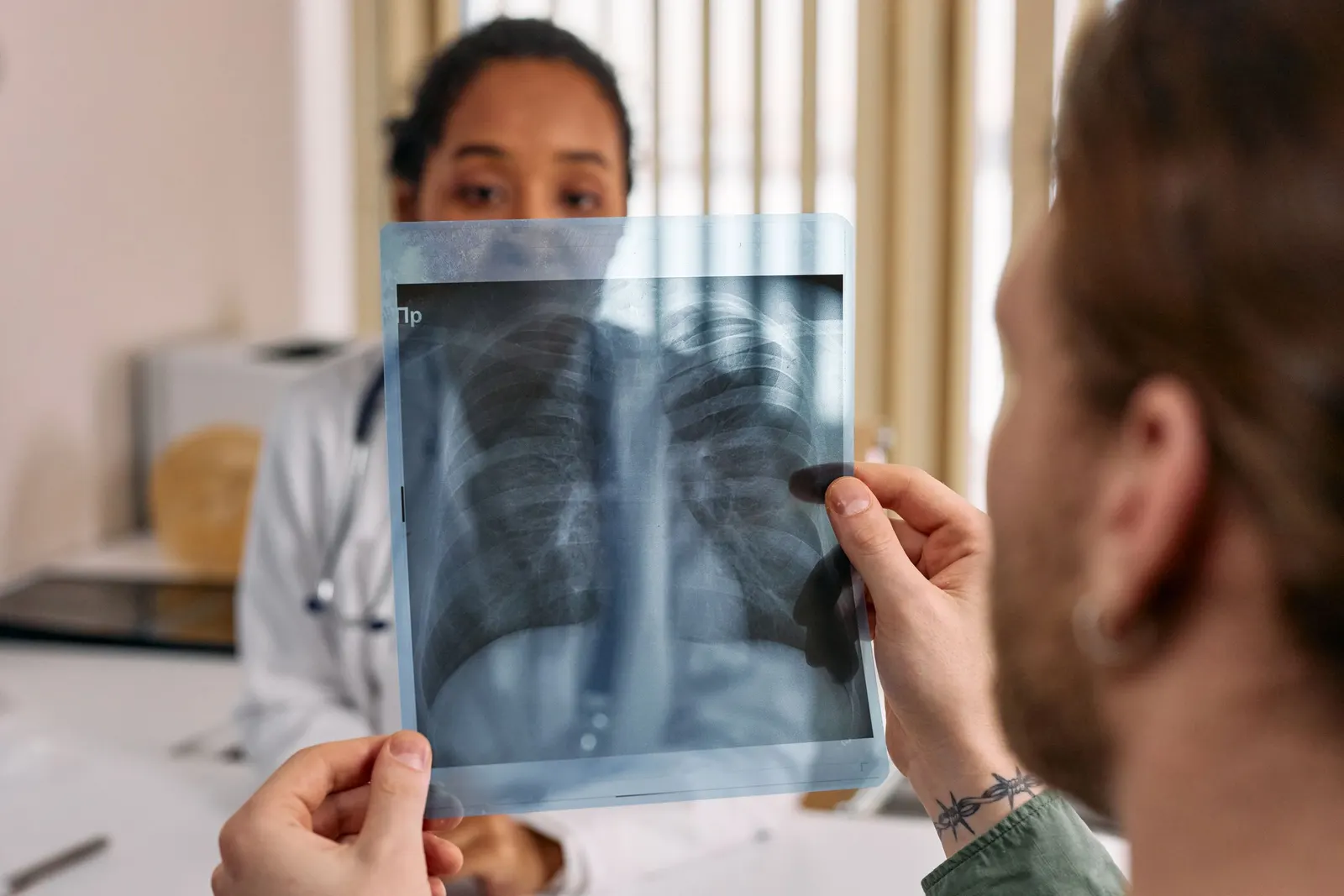
A finding that fits the report you write.
The reading physician can add the finding to the report the referring physician already reads.
For clinicians →See Rho in your PACS workflow.
Let us walk you through how Rho can add value to your practice.