
One screen. A different return for every kind of institution.
Rho flags patients who may have low bone density in the X-rays your organization takes. What that is worth depends on who you are: imaging networks gain DXA referrals, orthopedic practices gain insights for surgical planning and a chance to optimize patient bone health, and health systems gain a bone health pathway that starts before the first fracture. Everyone gains better bone health.
Where Rho fits, and what it changes.
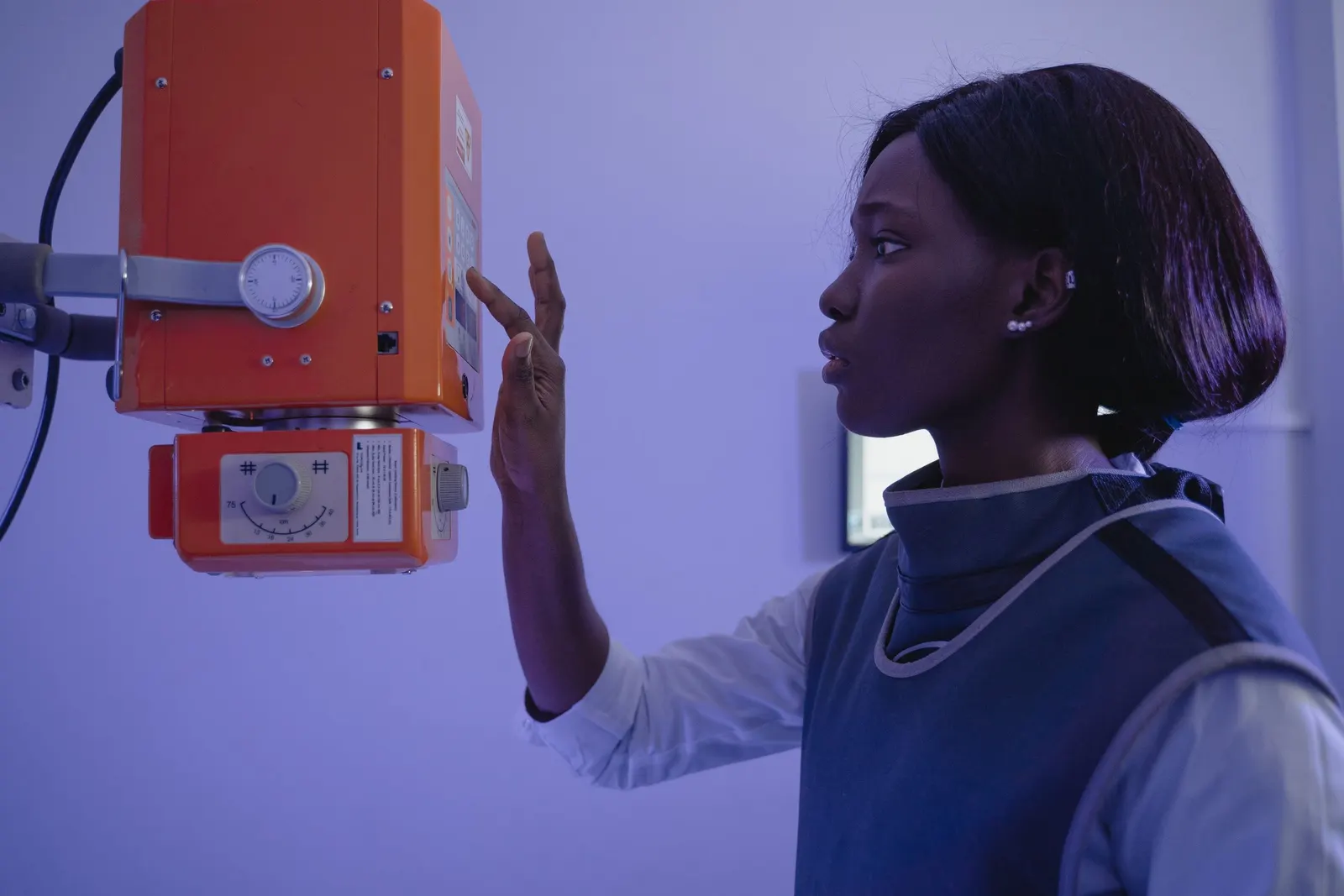
More DXA referrals, and more of them confirm disease.
Rho reads the X-rays your sites perform and prompts the referrals usual care misses. When the DXA scanner is yours, the referral can stay in your network.
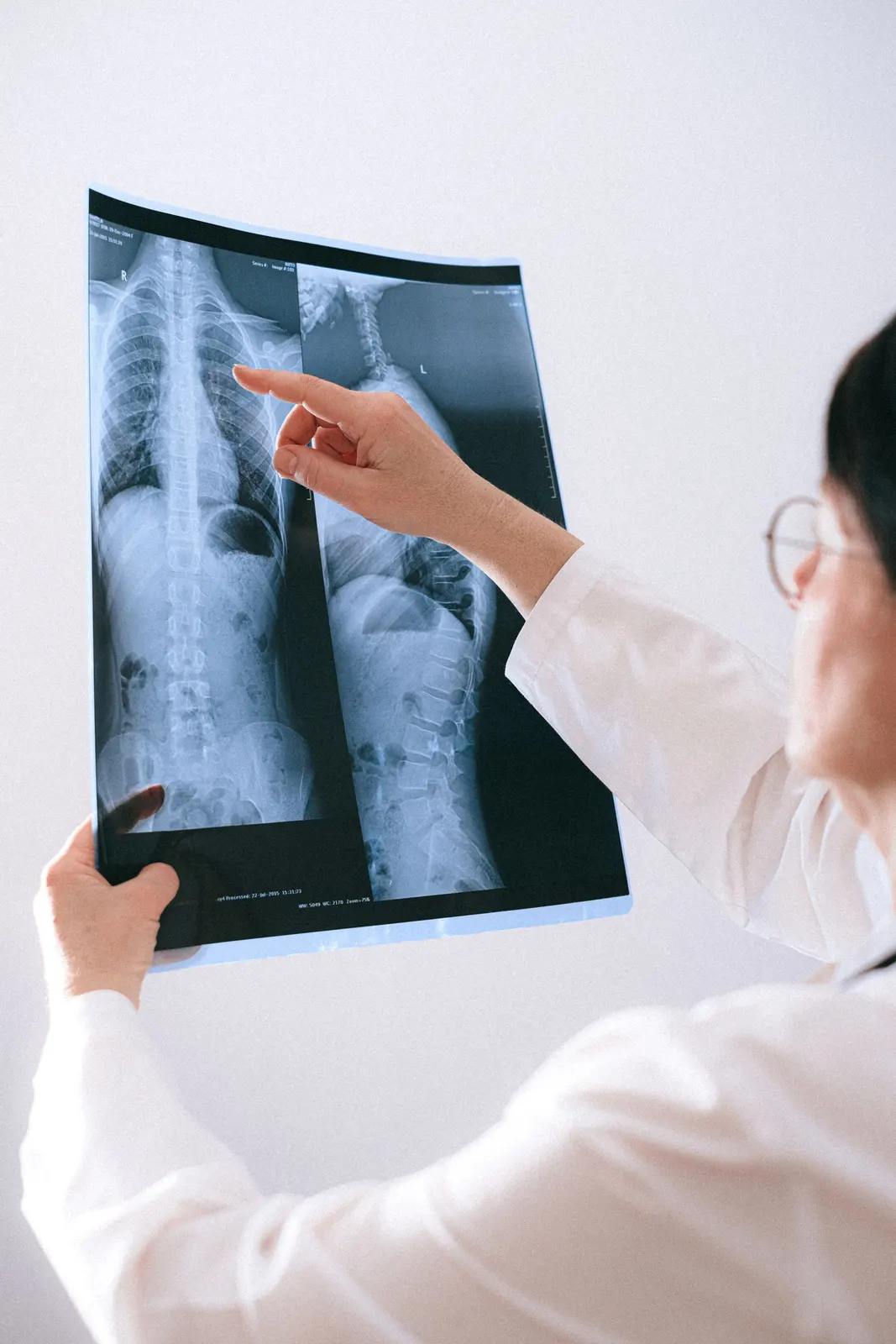
Bone health known before the operating room.
Many surgical patients with low bone density arrive undiagnosed.2,3Rho flags them from the frontal X-rays taken before surgery, so bone health can be optimized peri-operatively.

Flag patients at risk of low bone density before a fracture.
Fragility fractures are costly, and many follow a missed opportunity.5,6,7Rho screens eligible X-rays across your system and flags patients for assessment through your bone health pathway.
- 1 Syme et al., Skeletal Radiology, 2026 ↗: a before-and-after comparison at one eight-site Ontario imaging provider
- 2 Köhli et al., NASSJ, 2025 ↗
- 3 Delsmann et al., Osteoporosis International, 2021 ↗
- 4 16 Bit retrospective analysis at a multi-site orthopedic practice, 2026 ↗: data on file
- 5 Mitchell et al., Archives of Osteoporosis, 2017 ↗
- 6 Gehlbach et al., Osteoporosis International, 2000 ↗
- 7 Majumdar et al., Archives of Internal Medicine, 2005 ↗
- 8 Milliman, 2021 ↗
Model what Rho would find, and what it is worth.
Each model starts from defaults you can change, and shows where each default comes from.
Imaging networks
Estimate, from your own X-ray volume, how many patients Rho would flag, the DXA exams that follow, and the DXA revenue.
Model the DXA return for your network →Orthopedic and spine practices
Estimate the bone health visits, DXAs and patients treated before surgery, and the revisions avoided, at your own rates.
Model the service line for your practice →Health systems
Estimate the patients treated, and the fractures and revisions avoided over 10 years from one year of screening, at your own costs.
Model the pathway for your system →The same light footprint, whatever the setting.
Inside your network
Rho Enterprise runs on one virtual machine within your secured network. Images and patient data are not transferred to 16 Bit.
About an hour to install
A virtual machine on your existing infrastructure, standard DICOM routing from PACS, and no change for technologists. Motivated sites are screening within a week of a purchase decision.
A report the reading physician controls
By default only flagged studies get a Rho Report in PACS. The physician reading the X-ray decides whether to include the finding in their report.
A dashboard for the program
See studies analyzed, patients flagged, and the DXAs that followed, so the program can be measured from day one.
In clinical and research use at imaging networks, orthopedic groups, and hospitals around the world



Tell us which kind of institution you are.
We will show how Rho fits your imaging volume, your DXA capacity and your clinical pathways, and what other institutions like yours have measured.